

Bahrain has one of the highest rates of diabetes in the world, and podiatry is a licensed profession there. But the workforce is small. Routine foot checks happen mostly in nurse and family doctor clinics in the country’s health centres, and specialist podiatry is offered by only a few hospital, specialist and private clinics.
Diabetes and foot disease burden
According to the IDF Diabetes Atlas, 197,600 of Bahrain’s 1.1 million adults aged 20 to 79 were living with diabetes in 2024, an age-standardised prevalence of 22.1%. The Atlas places Bahrain among the ten countries with the highest prevalence in the world. It estimates that 46.4% of cases are undiagnosed and projects 322,800 adults with diabetes by 2050. The estimates are based on the Bahrain National Health Survey 2018.
Foot ulcer data are limited. A study across all 26 primary health centres, carried out in 2025 and published in March 2026, examined 601 adults with diabetes and found an ulcer or amputation in 5.3% (32 people): 15 had superficial ulcers, 10 had deep ulcers and seven had amputated limbs or toes. Insulin use, ischaemic heart disease, skin changes on the foot and low haemoglobin were all linked to ulceration. A 2023 study of 94 patients treated for foot ulcers at a large public hospital found poor quality of life, worst among those with severe or persisting ulcers. We could not find any national figures on diabetes-related amputations.
Who delivers foot care
- Primary care: each of Bahrain’s 26 health centres has a non-communicable disease clinic, run by specialised diabetes nurses and family physicians. The Ministry of Health says it runs diabetes clinics in all primary health centres.
- Salmaniya Medical Complex: in 2016 its orthopaedic centre reported that it was supplying diabetic shoes to protect at-risk feet, along with prostheses and rehabilitation after amputation.
- Specialist and private clinics: the Gulf Diabetes Specialist Center in Manama, an outpatient diabetes centre opened in 2004, lists foot care and podiatry among its services. Consultant podiatrist Dr Noor Janahi, who trained at Queen Margaret University in Edinburgh, is described by Hamad Medical Corporation as the first Bahraini to qualify and practise as a podiatrist in the country, and as the founder of its first podiatry clinic.
Regulation and workforce
Podiatry is regulated by the National Health Regulatory Authority (NHRA). It has been on the official list of allied health professions since NHRA Resolution No. 24 of 2016, with two titles: Podiatrist and Podiatry Assistant. Under the Allied Health Professional Qualification Requirements (version 2.3, updated October 2022), a podiatrist needs a BSc in podiatry of at least four years, and a podiatry assistant needs a podiatry diploma of at least two years. Non-Bahraini applicants in both roles need two years’ post-qualification experience. Applicants must also pass the Bahrain Licensing Examination, unless they are Bahraini or GCC nationals already holding a valid GCC licence.
We could not find a published count of licensed podiatrists in Bahrain, or a podiatry degree or diploma course in the country.
Guidelines and professional networks
The Bahrain Diabetes Society, founded in 1989 and a member of the International Diabetes Federation since 1992, runs screening and education. With the Gulf Diabetic Foot Group, it organised the Bahrain Diabetes Conference and Global Diabetic Foot Summit in Manama from 12 to 15 November 2025. More than 200 doctors, nurses and podiatry specialists attended. Speakers said the group planned a joint Gulf database to track complications, and that Bahrain was expanding early detection and diabetic foot clinics to reduce amputations.
Bahrain is one of the six member countries of the Gulf Diabetic Foot Working Group, whose Gulf-specific ulcer guidelines we covered recently. Bahraini clinicians also sat on the panel behind the 2026 GCC diabetic foot consensus.
Access and cost
Diabetes care in government health centres is organised through the Ministry of Health’s network of diabetes clinics. We could not find published information on how therapeutic footwear, insoles or private podiatry are funded, or whether insurers cover them.
Key challenges
- Very high diabetes prevalence, with almost half of cases undiagnosed
- A small podiatry workforce, with no published headcount and no local training route
- No national data on foot ulcers or amputations
- Foot screening that depends on busy nurses and family physicians
- Little public information on cover for footwear and offloading
IMEA POD Perspective
Bahrain has done the regulatory groundwork that many countries in the region still lack. Podiatrist and podiatry assistant are both defined titles with clear qualification rules. The next step is to use them. Bahrain is small, and all 26 of its health centres already run diabetes clinics. That makes it a good place to test a model in which every centre has access to a podiatrist or trained podiatry assistant. The assistant role, which requires only a two-year diploma, could be trained locally. The 2026 primary care study shows the screening data can be collected. Turning that into a national ulcer and amputation register, as the Gulf Diabetic Foot Group proposes, would show whether new clinics are actually saving limbs.
Sources
- IDF Diabetes Atlas: Bahrain
- NHRA Allied Health Professional Qualification Requirements, v2.3 (2022)
- NHRA Resolution No. 24 of 2016: Allied Health Professionals List
- Alawainati et al. Diabetic foot ulcers in primary healthcare centres in Bahrain. Cureus 2026
- Mairghani et al. Health-related quality of life in patients with diabetic foot ulcers in Bahrain. J Tissue Viability 2023
- News of Bahrain (2025): Bahrain Diabetes Conference and Global Diabetic Foot Summit
- Hamad Medical Corporation: Dr Noor M. Janahi, speaker profile
- IDF: Bahrain Diabetes Society
- Hamad Medical Corporation: About the Gulf Diabetic Foot Working Group
- Bahrain Ministry of Health: diabetes services
- News of Bahrain (2016): Salmaniya Medical Complex focuses on diabetes
- Wikipedia: Gulf Diabetes Specialist Center
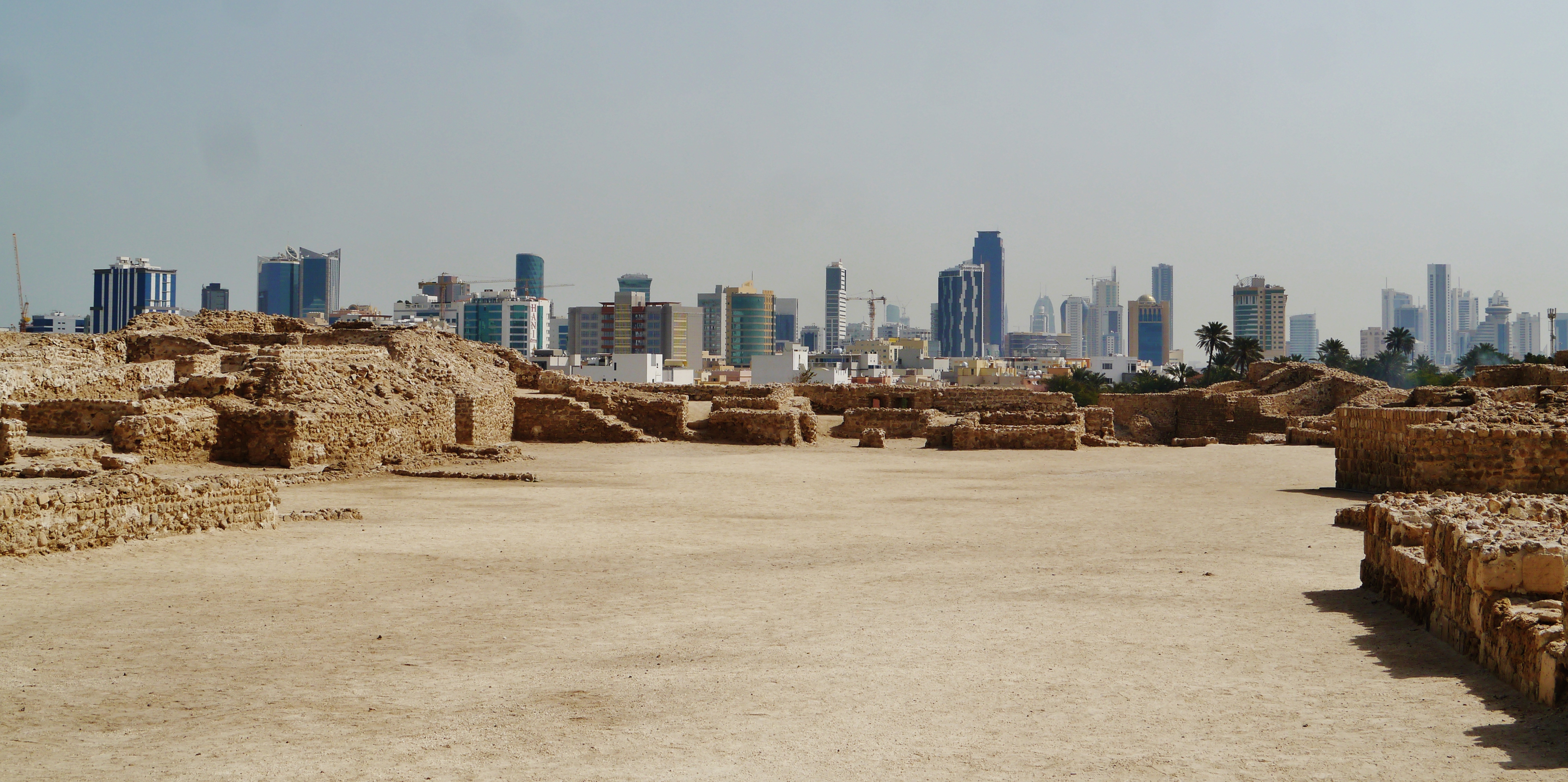
Headline photo: Qal’at al-Bahrain and the Manama skyline by Zairon, Wikimedia Commons, CC BY-SA 4.0.