

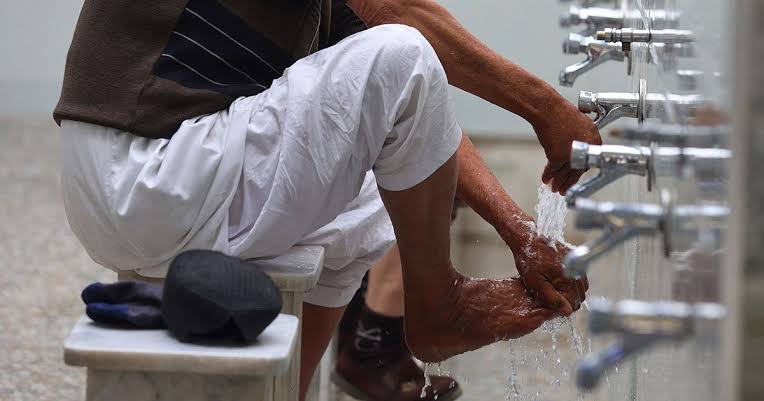
People with diabetes should use the washing of the feet during wudu, the ablution before prayer, as a daily foot check, according to an opinion article in the Oman Observer. Published on 13 November, the eve of World Diabetes Day, it sets out six habits to protect the feet from ulcers and amputation.
Why Oman needs the message
The writer notes that about one in seven adults in Oman has diabetes, and that people with diabetes accounted for 47% of lower-limb amputations in Oman’s public hospitals between 2002 and 2013. Drawing on a 2026 review of Omani studies, which IMEA POD covered earlier this month, the article says more than half of people did not know what causes diabetic foot problems, about half walked barefoot and fewer than four in ten checked their feet regularly.
Six habits
- Make wudu a foot check. Look at the soles, heels and the spaces between the toes for cuts, blisters or redness, then dry the feet well, especially between the toes. A mirror or a family member can help.
- Never walk barefoot. Hot sand, tiles and paving can burn numb soles. The writer recalls a UAE doctor’s account of a man who burned his soles walking to Friday prayers in summer, and suggests leaving footwear near the mosque door, walking in the shade and wearing sandals at home.
- Choose footwear that fits. Shoes should not press or rub, and should be checked for stones before they are put on.
- Care for skin and nails. Moisturise cracked heels but not between the toes, cut nails straight across, leave corns to a health professional, and never warm a numb foot with hot water.
- Have the feet examined. A nurse or doctor can test sensation with a monofilament and check the foot pulses, at least once a year and more often for people at higher risk.
- Do not wait. A new blister, cut, colour change or swelling needs prompt professional care, not a week of watching at home.
The writer adds that older people who cannot see or reach their soles should have a family member check their feet weekly, and notes that the Ministry of Health has run nurse-led diabetic foot clinics in health centres since 2004.
IMEA POD Perspective
Linking foot inspection to wudu is one of the most practical patient-education tools available to foot teams across the Gulf, North Africa, Pakistan and other Muslim-majority countries. Many patients already wash their feet several times a day, up to five; the habit exists, and the task is to turn washing into looking. Clinicians can make that concrete: show patients exactly what to look for during wudu, suggest a long-handled mirror, and ask at every review whether they check their feet when they wash. Two cautions belong alongside the message. Repeated washing makes thorough drying between the toes essential, because damp skin there invites maceration and fungal infection. And the mosque itself can be a risk: walking barefoot across hot courtyards is common, so mosques and imams are natural partners for awareness campaigns, especially in summer. The Omani review found no multidisciplinary foot teams outside Muscat, which means simple self-care messages like this one carry much of the load in practice. They are no substitute for regular professional foot examination, but they are free, culturally familiar and available every day.
Sources and further reading
- Oman Observer: The daily habit that can save a foot from diabetes (opinion), 13 November 2026
- IMEA POD: Oman: Diabetes behind 47% of amputations, foot review finds
- IMEA POD: Egyptian vascular surgeon: daily foot checks are the first line of defence in diabetes
- IMEA POD: Dubai study finds gap between foot care knowledge and practice in diabetes