

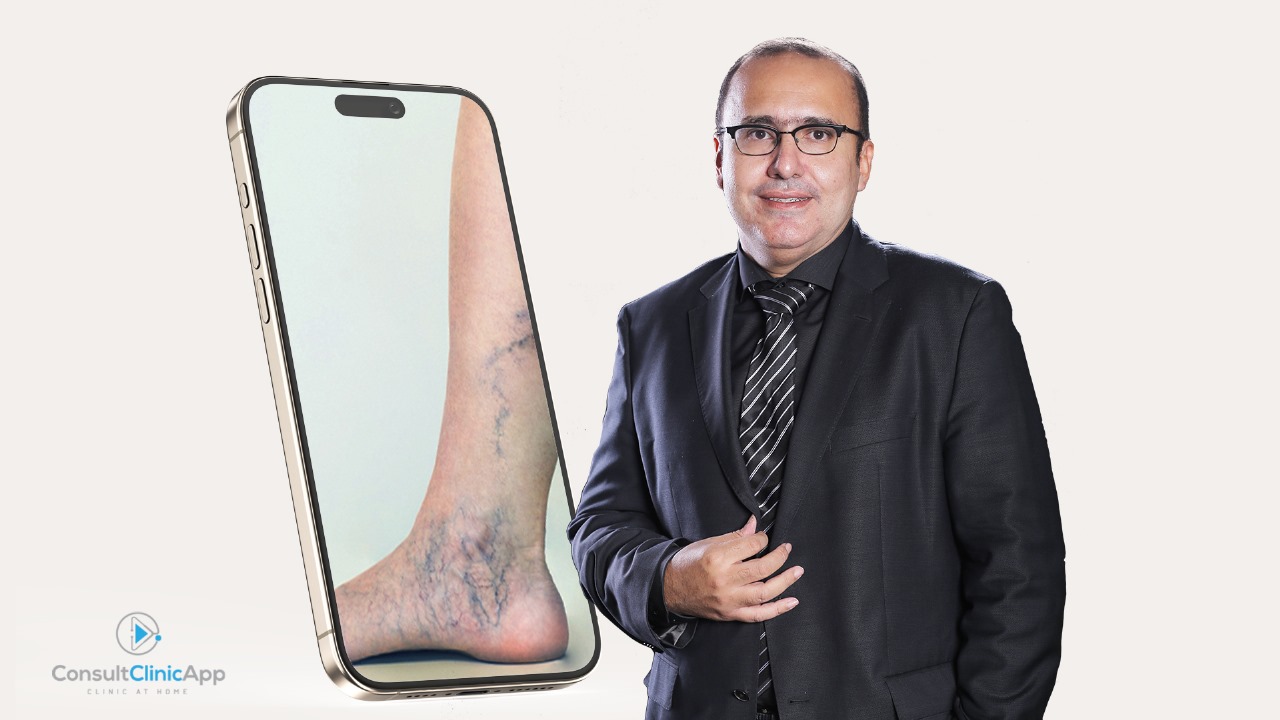
Daily foot self-examination and early detection are the first line of defence against diabetic foot complications, according to Prof Walid El-Dali, professor of vascular surgery and diabetic foot treatment. His advice was published by the Egyptian news site Sada El-Omma on 10 November, in the run-up to World Diabetes Day.
Why small injuries go unnoticed
El-Dali explains that prolonged high blood glucose damages the peripheral nerves, gradually weakening or removing sensation in the feet. Minor cuts, blisters and friction injuries can then go unnoticed and worsen, especially when circulation is poor or care is delayed. For the same reason, he says, the absence of pain should never be taken as reassurance: any ulcer, unusual swelling, or marked change in skin colour or temperature needs prompt medical assessment.
A daily routine for patients
He advises people with diabetes to set aside time every day to inspect their feet, including the soles and the spaces between the toes, using a mirror or asking a family member to look at areas they cannot see. The warning signs he lists are:
- wounds, ulcers or blisters
- redness or swelling
- changes in skin or nail colour
- unusual differences in foot temperature
Day to day, he recommends never walking barefoot, indoors or outdoors; wearing comfortable, well-fitting shoes; and keeping the feet clean and thoroughly dry, particularly between the toes. He warns patients not to treat calluses, wounds or ulcers themselves with sharp tools or home remedies, and to leave these to a specialist.
Annual review and risk-based follow-up
El-Dali says every person with diabetes should have their feet examined by a doctor at least once a year, and more often if they are at higher risk, such as those with a previous foot ulcer, peripheral neuropathy or poor circulation. Assessing each patient’s risk level, he says, should shape their follow-up and prevention plan, alongside blood glucose control and regular contact with their doctor.
IMEA POD Perspective
None of this advice is new, and that is the point: it is the core of every diabetic foot prevention guideline, including the IWGDF’s risk-stratified screening, and it still is not reaching enough patients. Two details deserve emphasis for foot teams. First, “no pain is no reassurance” is right, but the Gothenburg thesis we reported earlier this month shows the reverse also matters: many patients with neuropathic ulcers do feel pain, and it should not be dismissed. Second, telling patients not to cut their own calluses and nails only works if someone else will. Egypt has very few podiatrists, so that care falls to surgeons, nurses and wound care staff. The free Qadam Sahih diabetic foot rooms in Egypt’s university hospitals are an obvious base for routine callus, nail and footwear care, and for training the staff who provide it. Daily self-checks are also hard for older patients with poor eyesight or limited mobility, so family members need to be taught what to look for, as El-Dali suggests.
Sources and further reading
- Sada El-Omma: Walid El-Dali: daily examination and early detection are the first line of defence in protecting diabetes patients from foot complications (Arabic), 10 November 2026
- IMEA POD: Egypt’s Qadam Sahih rooms bring free diabetic foot care to university hospitals
- IMEA POD: Diabetic foot ulcers can hurt despite numbness, Gothenburg thesis finds
- IMEA POD: Diabetes education should start at diagnosis, says Jeddah podiatrist
- IMEA POD: IWGDF 2027 guidelines: what foot teams should expect before The Hague